

Why Hire a Guide for Your Trek in Nepal?
28th Feb, 2018
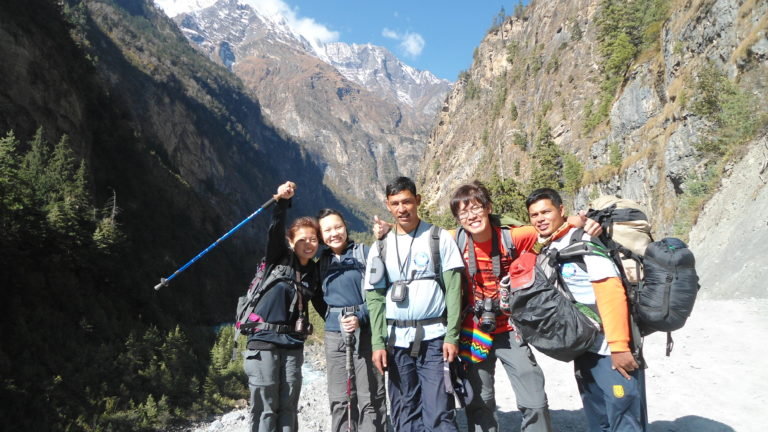
Hiring a professional guide for your trek can make your journey safer, more enjoyable, flexible, exciting, and rewarding. Nepal is renowned for its breathtaking natural beauty and rich cultural heritage, from the towering Himalayas and ancient temples to centuries-old monasteries, vibrant villages, and diverse local traditions. Exploring Nepal with an experienced guide allows you to gain a deeper understanding of its history, culture, and landscapes while creating unforgettable memories.
Table of Contents
Whether you are planning a challenging Himalayan trek, a scenic hiking adventure, a wildlife safari, or a cultural sightseeing tour, hiring a knowledgeable local guide is highly recommended. An experienced guide provides valuable local insights, ensures your safety, assists with logistics, helps overcome language barriers, and offers personalized service throughout your journey. With their expertise and support, you can travel with confidence, convenience, and peace of mind while experiencing the very best that Nepal has to offer.
Can I Trek Without a Guide in the Nepal Himalayas?
Yes, it is possible to trek without a guide on some trekking routes in the Nepal Himalayas, such as Everest Base Camp, Annapurna Circuit, and Langtang Valley. However, independent trekking is only recommended if you are physically fit, have previous high-altitude trekking experience, can hike 5–8 hours a day while carrying your own backpack, have good navigation skills, and are prepared to stay in basic teahouse accommodation.
On some trekking routes, hiring a licensed guide is mandatory, and trekking without a guide is not permitted. These include the Manaslu Circuit, Nar Phu Valley, Upper Mustang, Kanchenjunga, and Dolpo, in accordance with Nepal Government regulations.
Although it is possible to trek independently on some routes, hiring a licensed guide is highly recommended for all treks in the Nepal Himalayas. A knowledgeable guide enhances your safety, provides local expertise, reduces the risk of accidents, and takes care of logistics throughout the journey. This allows you to enjoy a smoother, more enjoyable, and hassle-free trekking experience while making the most of your adventure in Nepal.
Problems You May Encounter While Trekking Independently
If you choose to trek independently in the Nepal Himalayas, you may encounter several challenges. It can be difficult to find the correct trekking trail, especially in remote areas where routes may not be clearly marked. You may also have trouble finding the best accommodation, identifying the names of villages, mountains, and landmarks, or learning about the local culture, history, and traditions. In some regions, language barriers can make communication with local people more difficult.
In addition, if unexpected problems arise during the trek—such as getting lost, suffering an injury, experiencing altitude sickness or other health issues, or having an accident—it can be much more difficult to handle the situation when you are trekking alone. For these reasons, independent trekking requires good preparation, experience, and confidence in navigating the mountains safely.
The Role of a Guide for Trekkers in Nepal
Hiring a professional trekking guide plays an important role in ensuring a safe, enjoyable, and successful trekking experience in Nepal. A guide takes responsibility for assisting trekkers throughout the journey, helping them complete the trek safely while making the experience as comfortable and memorable as possible.
Most trekking routes in Nepal are located in remote Himalayan regions, where trails can be steep, narrow, rocky, and at high altitudes. A knowledgeable guide supports trekkers from the beginning of the trek until the end by handling all the essential logistics. This includes arranging transportation, obtaining the necessary trekking permits, booking the best available accommodation in advance, and helping with meal arrangements throughout the journey.
In addition to managing logistics, a guide explains the daily trekking route, introduces trekkers to the local culture, history, and natural environment, and provides valuable information about the surrounding mountains and villages. They also monitor trekkers for signs of altitude sickness, check oxygen saturation levels when necessary, and offer advice on acclimatization and high-altitude safety to reduce the risk of altitude-related illnesses.
Overall, hiring a trekking guide makes the journey safer, smoother, and more enjoyable. With a guide taking care of the details and providing local expertise, trekkers can focus on enjoying the breathtaking scenery and unique experiences of the Nepal Himalayas with confidence and peace of mind.
Benefits of Hiring a Guide for Your Trek in Nepal
There are several benefits of hiring a guide for your trekking in Nepal to successfully complete the trek, these are given below:
Trekking Route Navigation Expertise
Some trekking routes in the Nepal Himalayas can be challenging to navigate due to diverse terrain, changing weather conditions, and unmarked trails. Trekkers often pass through villages, forests, farmland, narrow paths, and remote areas where trail signs may be limited or nonexistent. With numerous trail junctions along the way, it can be difficult to stay on the correct route, even for experienced trekkers.
If you are trekking independently, there may not always be local people nearby to ask for directions, especially on remote routes such as the Everest Three Passes Trek and the Manaslu Circuit Trek. A professional trekking guide is familiar with these trails and can confidently navigate the route, ensuring a safe, flexible, and smooth journey from beginning to end. With a guide leading the way, you can focus on enjoying the spectacular mountain scenery instead of worrying about finding the correct trail.
Gain a Deeper Understanding of Local Culture
Nepal is home to a rich cultural heritage, with diverse ethnic communities, unique traditions, ancient history, and distinct ways of life. If you trek independently, you may miss many opportunities to fully understand and appreciate these cultural aspects.
A knowledgeable trekking guide provides valuable insights into the local culture, customs, traditions, history, and Himalayan lifestyle. They explain the significance of villages, monasteries, festivals, and landmarks you encounter along the way, adding depth and meaning to your journey. Their local knowledge helps you connect more closely with the people and places you visit, making your trekking experience in Nepal far more rewarding and memorable.
Trekker Safety and Emergency Support
Many trekking routes in the Nepal Himalayas pass through remote regions with high altitudes, rocky terrain, and Narrow Mountain trails. During the trek, unexpected situations such as altitude sickness, injuries, accidents, or other health problems can occur. If you are trekking independently, managing these emergencies can be difficult, especially in isolated areas where medical facilities are limited.
Professional trekking guides in Nepal are trained in first aid, altitude sickness awareness, emergency response, and rescue procedures. They can recognize the early signs of altitude-related illnesses, provide immediate assistance, and make informed decisions to ensure your safety. If necessary, they can also coordinate rescue services and arrange emergency evacuation.
With an experienced guide by your side, you can trek with greater confidence, knowing that your safety is a priority. Their knowledge and support help reduce risks and make your trekking adventure safer, more enjoyable, and truly memorable.
Permit and Logistics Management During the Trek
Most trekking routes in Nepal require official trekking permits, transportation arrangements, and advance accommodation bookings. If you choose to trek independently, managing these logistics can sometimes be challenging, especially during the peak trekking seasons.
For example, on the Everest Base Camp Trek, it can be difficult to secure flights to and from Lukla due to limited availability and frequent weather-related delays. Finding quality accommodation during busy seasons can also be challenging, and obtaining the necessary trekking permits may take time if you are unfamiliar with the process.
Hiring a professional trekking guide or trekking agency makes these arrangements much easier. They assist with obtaining all required permits, booking the best available teahouses in advance, arranging transportation, and handling other essential logistics throughout the journey.
With an experienced guide taking care of these details, you can focus on what matters most—enjoying the breathtaking mountain scenery, experiencing the local culture, and making the most of your trekking adventure in the Nepal Himalayas.
Language and Communication with Local People
Many trekking routes in Nepal pass through remote mountain villages where English is not widely spoken. If you are trekking independently, communicating with local people can sometimes be challenging, especially when asking for directions, ordering food, arranging accommodation, or seeking help.
A professional trekking guide serves as an interpreter, helping to overcome language barriers and ensuring clear communication with local communities. They can assist you with ordering meals, checking accommodation availability, negotiating transportation, and explaining local customs, traditions, and daily life. Guides also teach trekkers a few common Nepali words and phrases, making interactions with local people more enjoyable and meaningful.
In addition, experienced guides know where mobile phone and internet networks are available along the trekking route, helping you stay in touch with family and friends whenever possible.
By making communication easier and helping you connect with local communities, a trekking guide enhances your overall experience and makes your adventure in the Nepal Himalayas more enjoyable, comfortable, and memorable.
Supporting Nepal's Tourism Industry and Local Economy
Hiring a local Nepali guide for your trek or tour not only enhances your travel experience but also supports Nepal's tourism industry and local economy. Tourism is a major source of income for many people in Nepal, and professional guides and porters depend on it to support themselves and their families.
By hiring local guides and porters, you are creating employment opportunities and helping to improve the livelihoods of people living in mountain communities. Your contribution also supports local businesses, including teahouses, transportation services, restaurants, and small shops along the trekking routes.
In addition, responsible tourism helps preserve Nepal's rich cultural heritage and encourages sustainable development in remote Himalayan regions. Choosing to hire a local guide is not only an investment in a safer and more enjoyable trekking experience but also a meaningful way to support Nepal's tourism industry and contribute to the well-being of local communities.
A Stress-Free Trekking Experience
Trekking with a professional guide allows you to enjoy a truly stress-free adventure in the Nepal Himalayas. From the moment you arrive in Nepal until the end of your trek, your guide takes care of the essential arrangements, including transportation, permits, accommodation, meals, and daily trekking logistics. They also explain local rules, regulations, customs, and trekking procedures, ensuring that everything runs smoothly.
With an experienced guide handling the planning and organization, you can focus entirely on enjoying the spectacular mountain scenery, experiencing the local culture, and making unforgettable memories. Instead of worrying about navigation, bookings, or unexpected challenges, you can relax and fully immerse yourself in the journey.
Whether you are escaping the stress of a busy city or simply looking for a peaceful mountain holiday, trekking with a guide offers a safer, more comfortable and worry-free experience, allowing you to make the most of your adventure in Nepal.
Tips for Choosing the Best Local Trekking Guide in Nepal
There are many trekking guides in Nepal, but choosing an experienced, knowledgeable, and reliable guide is essential for a safe and successful trekking adventure in the Nepal Himalayas. A professional guide not only ensures your safety but also enhances your overall trekking experience with local knowledge and expert support.
When selecting a guide, it is best to book through a reputable, government-registered trekking company, such as High Pass Adventure, or another well-established agency. Research companies online, read customer reviews on Google and TripAdvisor, and ask for recommendations from friends or fellow travelers who have previously trekked in Nepal.
Before hiring a guide, verify that they hold a valid trekking guide license and have received appropriate training through recognized organizations in Nepal, such as the Trekking Agencies' Association of Nepal (TAAN) or the Nepal Mountaineering Association (NMA). It is also important to confirm that your guide has first-aid training and is knowledgeable about altitude sickness prevention and emergency procedures.
Finally, ask about the guide's experience on your chosen trekking route. An experienced guide should be familiar with the trail, local customs, culture, weather conditions, and potential challenges along the route. Choosing the right guide will give you greater confidence, improve your safety, and help ensure a smooth, enjoyable, and memorable trekking experience in the Nepal Himalayas.
Are you interested on any of your travel serveices?
Make Inquiry NowRecent From Blog
15th Jun, 2023
21st Feb, 2021
28th Feb, 2018
5th Sep, 2023

13th May, 2019
19th Feb, 2019
8th Feb, 2021
21st Jan, 2021
29th Jul, 2020
3rd May, 2019
30th Apr, 2020

3rd Apr, 2020
17th Jul, 2020
26th Mar, 2020
31st Mar, 2020
19th Jun, 2023
11th Feb, 2020
11th Mar, 2020
27th Sep, 2019
17th May, 2019
26th Jul, 2020
6th May, 2019
5th Mar, 2019
7th Mar, 2020
18th Feb, 2019
12th Sep, 2019

27th Mar, 2018
27th Mar, 2019
2nd Mar, 2019
16th Jan, 2019

1st Jul, 2023
5th Jul, 2023

5th Jul, 2023

5th Jul, 2023

5th Jul, 2023
5th Dec, 2019
6th Jan, 2019
28th Feb, 2018
9th Dec, 2018
11th Dec, 2018

5th Oct, 2023

3rd Jan, 2024
.jpg)
27th Jan, 2024
29th Jan, 2024
19th Jan, 2025

7th Feb, 2025

17th Feb, 2025
9th Mar, 2025

15th Mar, 2025

18th Mar, 2025

23rd Mar, 2025

25th Mar, 2025

26th Mar, 2025

24th Apr, 2025

21st May, 2025

21st May, 2025

22nd Jun, 2025

22nd Jun, 2025
4th Jul, 2025

14th Jul, 2025

14th Sep, 2025
26th Sep, 2025
20th Dec, 2025
28th Jan, 2026
17th May, 2026
18th May, 2026
2nd Jun, 2026
7th Jun, 2026
9th Jun, 2026
13th Jun, 2026
14th Jun, 2026
2nd Jul, 2026
7th Jul, 2026
16th Jul, 2026
25th Jul, 2026

2nd Aug, 2026
5th Aug, 2026
9th Aug, 2026